
O que são Miniaturas Code 3 no universo do Diecast?
Se você já mergulhou um pouco mais fundo no colecionismo de miniaturas, provavelmente já esbarrou no termo CODE 3. Mas afinal, o que isso significa? É um custom? É original? Hoje vamos desmistificar esse conceito que gera tantas dúvidas, principalmente entre os colecionadores de Hot Wheels.
Afinal, o que é um CODE 3?
No universo do diecast, a designação Code 3 é dada a modelos onde parte da produção é terceirizada. Porém, existe um detalhe fundamental que separa um Code 3 de um simples custom feito em casa: esta terceirização tem o aval, a autorização e a colaboração direta do fabricante oficial (como a Mattel, no caso da Hot Wheels).
O fabricante participa do processo do início ao fim, concordando com o design, a apresentação, a tiragem e a forma como a miniatura será disponibilizada ao público.
Como funciona essa colaboração na prática?
A participação de terceiros pode ocorrer de várias formas. Pode ser desde o recebimento do casting "raw" (aquela miniatura crua, unspun, sem pintura, com carroceria, base, interior e vidros totalmente separados) até o recebimento de uma miniatura semi-finalizada que vai ganhar apenas um detalhe específico ou uma embalagem exclusiva.
A Mattel, por exemplo, fornece as peças originais na medida exata para os desenvolvedores. Querem trocar as rodinhas de um Camaro '67? A Mattel fornece as rodas com a medida correta daquele eixo específico. Precisam de um vidro de cor diferente para fechar o design? A peça oficial é enviada. Não há adaptação de peças de outras marcas; a miniatura é finalizada com peças 100% originais.
O papel do Hot Wheels Newsletter e das Convenções
Os maiores e mais famosos exemplos de Code 3 são os Hot Wheels Newsletter Cars, distribuídos ao longo de décadas nas Convenções Oficiais. O Newsletter funciona como um fã-clube oficial e filiado, com total consentimento e apoio da Mattel.
Eles são, na prática, os responsáveis por normatizar o hobby. São eles que lançam os folhetins (hoje também online) listando o que é variação de pintura, o que é apenas um erro de fábrica, e ditam as regras do que define um Code 3. Se você tem dúvida sobre a autenticidade de uma peça, eles fazem a checagem oficial e cravam se o modelo é Code 3 ou apenas um custom.
A Mattel abraça essa parceria. Eles sentam juntos para decidir qual será o modelo do evento, a cor, a tiragem, qual será o finale car (carro de encerramento) e o carro inicial. Os carrinhos distribuídos nos jantares das convenções, por exemplo, muitas vezes têm a produção terceirizada para um customizador escolhido a dedo, mas recebem o logo original do evento e a chancela oficial da Hot Wheels.
Exclusividade e Raridade
Fazer parte desse clube e ser um assinante (subscriber) do Newsletter tem suas vantagens, como o acesso à compra antecipada de ingressos e modelos (early access). E quando falamos de tiragem, a brincadeira fica muito séria.
Em convenções, existem modelos que saem em até cinco cores diferentes. A tiragem de algumas dessas variações pode ser absurdamente baixa — batendo a marca de menos de 10 unidades produzidas! Isso faz com que alguns Code 3 atinjam valores astronômicos, dependendo muito do casting e da história por trás dele.
Onde o Code 3 é mais forte?
O mercado de colecionismo varia muito pelo mundo. Na Europa, por exemplo, a febre do Code 3 não é tão grande, muito devido à diversidade de outras marcas de diecast presentes no continente.
Porém, nos Estados Unidos e na Ásia, o mercado é fortíssimo. Os colecionadores americanos valorizam muito a tradição, e os asiáticos são extremamente fanáticos, buscando essas peças raríssimas com muita dedicação.
Resumindo: um Code 3 passa longe de ser "apenas um custom". É um pedaço da história do diecast, feito a quatro mãos entre os maiores apaixonados pelo hobby e a própria marca que deu origem a tudo.
Agradecimento Especial
Este post teve como base as excelentes explicações e sugestões do meu amigo Pablo Ferreira, uma verdadeira enciclopédia do colecionismo. Para acompanhar mais sobre o acervo dele, sigam o Instagram oficial: @pline1934.
Se quiserem mergulhar ainda mais fundo no conhecimento dele, não deixem de conferir a aula que ele deu no Pod Diecast #07 no canal do Murilo MCM. Lá ele fala sobre a história das marcas, os processos de Zamac e Spectraflame, e mostra algumas das miniaturas mais raras (como as de Toy Fair). Vale muito o play! Assista aqui: COLECIONADOR PABLO FERREIRA - Pod Diecast #07.
Curtiu o conteúdo? Não esqueça de se inscrever no canal Garagem do Renan no YouTube para conferir os vídeos da coleção e acompanhar de perto esse nosso universo. E para manter todas as suas preciosidades super organizadas (sejam Code 3, Mainlines ou exclusivas de convenção), acesse o MinhasMinis.com.br e tenha o controle da sua garagem na palma da mão!
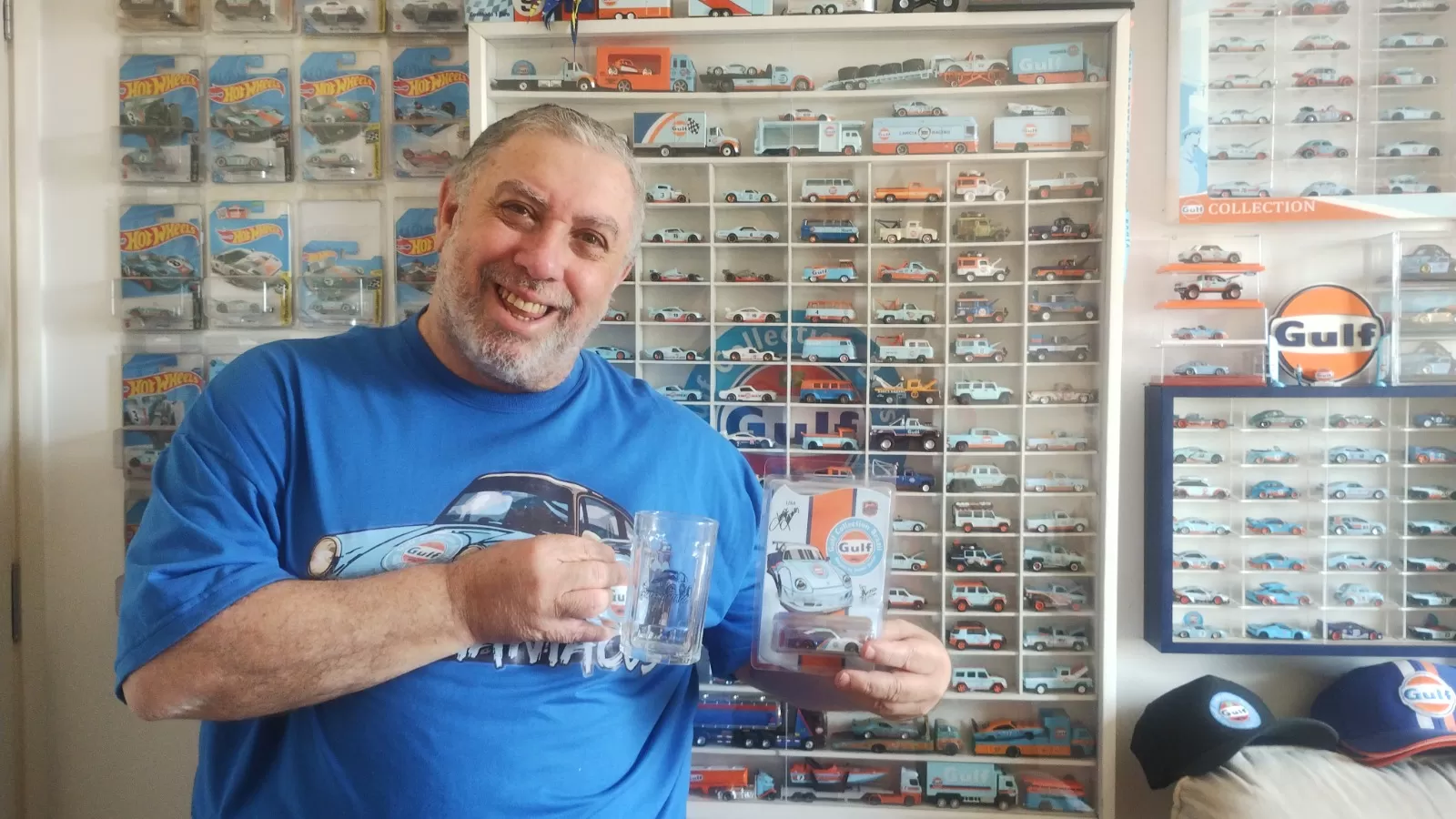
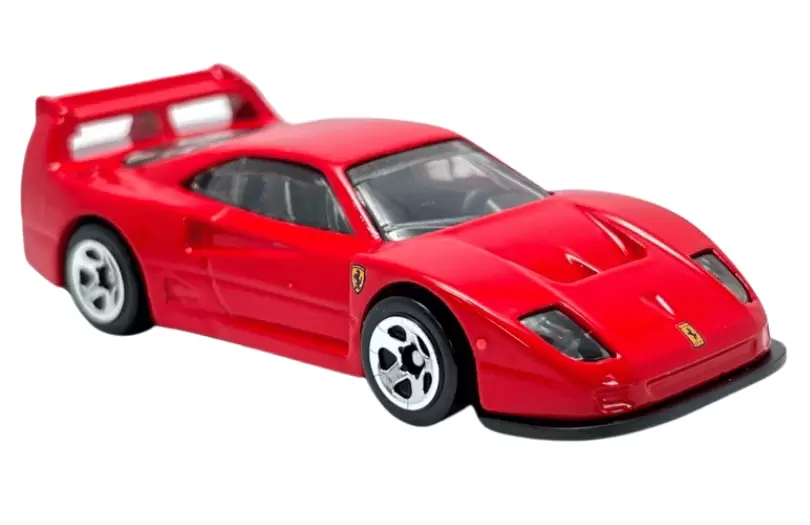


Já tinha "ouvido falar" no termo mas não sabia exatamente do que se tratava ou como funcionava. Obrigado Pablo pelo conteúdo enriquecedor!
Que legal mais um termo aprendido no mundo diecast! Valeu Pablo!